Request a quote

Single sensor line scan cameras

Single-sensor line scan cameras are widely used for high-speed industrial inspection and continuous imaging applications. They are available in a variety of imaging configurations, including monochrome, color, and short-wave infrared (SWIR), as well as different sensor architectures such as bilinear and trilinear designs.

This page explains how single-sensor line scan cameras work, the available configurations, their key advantages, and the applications where they deliver the best performance.

On this page

What is a single sensor line scan camera?

A single-sensor line scan camera uses one imaging sensor, typically based on CMOS technology, to capture images one line at a time as an object moves through the camera's field of view. Individual lines are combined to form a complete two-dimensional image, making line scan cameras ideal for continuous inspection and high-speed imaging applications.

Single-sensor line scan cameras are available in a variety of imaging configurations and sensor architectures, each designed to meet different inspection requirements. This page focuses on the most commonly used configurations in industrial machine vision: monochrome, color (including bilinear and trilinear designs), and short-wave infrared (SWIR) imaging.

Monochrome line scan cameras

Monochrome line scan cameras use a single monochrome sensor to capture grayscale images. They offer high sensitivity, excellent resolution, and strong contrast, making them ideal for defect detection and inspection tasks where color is not needed.

Find out more about JAI’s monochrome line scan cameras

Color single-sensor line scan cameras

Color single-sensor line scan cameras are commonly available in bilinear and trilinear configurations, each optimized for different imaging requirements.

  • Bilinear cameras use two parallel lines of pixels on a single sensor. Depending on the design, they can be optimized for enhanced monochrome imaging or for basic color capture.
  • Trilinear cameras use three parallel lines of pixels, each assigned to red, green, or blue. Because these lines are spatially offset in the direction of motion, color information is captured sequentially and must be aligned through precise synchronization with object movement to reconstruct a full-color image. For a deeper understanding of when a trilinear line scan color camera is the right choice, explore our detailed blog article.
Schematic of line scan color imaging using bilinear sensor technology, where two staggered pixel rows capture color information in an interleaved RGB pattern, requiring reconstruction to generate full-color images.
Schematic of line scan color imaging using trilinear sensor technology, where three spatially offset pixel rows separately capture red, green, and blue channels for accurate color reproduction.

Find out more about JAI’s bilinear and trilinear color line scan cameras

Short-Wave Infrared line scan cameras

Short-Wave Infrared (SWIR) line scan cameras capture image data in the short-wave infrared region of the electromagnetic spectrum, enabling imaging beyond the capabilities of conventional visible-light cameras. Because many materials interact differently with SWIR wavelengths than with visible light, these cameras can reveal features such as moisture, material composition, contamination, and internal structures that may not be visible using standard imaging techniques.

Find out more about JAI's SWIR line scan cameras

When to choose a single sensor line scan camera?

Single-sensor line scan cameras are the preferred choice for many applications where cost efficiency and system simplicity are key priorities. They provide a compact and robust solution for a wide range of industrial inspection tasks, particularly when color accuracy requirements are moderate or when monochrome imaging is sufficient.

For applications focused on contrast, shape, or defect detection, a monochrome camera is often the best option. A monochrome sensor delivers high sensitivity, excellent signal-to-noise ratio, and fast readout speeds, making it ideal for high-speed inspection systems and low-light conditions.

Single-sensor color line scan cameras, such as bilinear or trilinear designs, are well suited for applications where color information is required but conditions are stable and well-controlled. These systems perform reliably when object movement is consistent, alignment is precise, and synchronization between the camera and conveyor speed can be maintained.

Short-Wave Infrared (SWIR) line scan cameras are used when information beyond the visible spectrum is required. They are particularly valuable for inspecting material properties, detecting moisture, identifying contamination, distinguishing between similar-looking materials, or revealing features that are difficult or impossible to observe using visible-light imaging. Like other line scan cameras, they are well suited for continuous inspection of webs, sheets, and moving products.

What are the advantages of single sensor line scan cameras?

  • Cost-effective solution: Single-sensor cameras are typically more affordable than multi-sensor systems, making them ideal for budget-sensitive applications.
  • Compact and space-efficient: A single-sensor design tipically results in a smaller footprint, which is beneficial for installations with limited space.
  • Excellent performance in monochrome applications: Monochrome sensors provide high sensitivity and strong contrast, making them ideal for defect detection and inspection tasks where color is not required.
  • High-speed performance: Optimized for fast readout, especially with CMOS sensor technology, enabling reliable inspection in high-throughput environments.

For which applications are single sensor line scan cameras most suitable?

Single sensor line scan cameras are particularly effective in high-throughput environments, such as web inspection (e.g., paper, plastic, textiles, and printing), where objects move continuously and synchronization can be tightly controlled.

Monochrome line scan cameras

Monochrome line scan cameras are ideal for tasks focused on contrast, shape, or defect detection, such as surface inspection, edge detection, and dimensional measurement.

Battery Inspection

Single-sensor line scan camera can be used for detecting defects on electrode sheets, including scratches, dents, craters, inclusions, bubbles, and holes.

Electronics (PCB, LCD, Wafer etc)

Web inspection

Single-sensor line scan cameras are also suited for various web inspection tasks related to the manufacturing of items such as metal sheets, paper and plastic/specialty films.

Web and Surface Inspection

Glass inspection

Key inspection processes include surface defect detection, contamination and foreign particle identification, edge quality checks, and more

Web and Surface Inspection

Wood inspection

Sorting of lumber by color and grain pattern, color matching on laminates and other flooring products.

Web and Surface Inspection

PCB inspection

Main types of PCB inspection include short circuits, open circuits, notches, pinholes, copper slag, line width issues, line spacing errors, hole ring defects, and missing features.

Electronics (PCB, LCD, Wafer etc)

Color single-sensor line scan cameras

Color single-sensor cameras, including bilinear and trilinear designs, are suitable for applications where color information is required but conditions remain stable. Typical use cases include sorting, packaging inspection, and print verification, where consistent object movement allows accurate color reconstruction.

PCB inspection

In PCB manufacturing, AVI inspection checks finished bare boards for visual defects. Common issues include green pads, exposed copper, surface dents, raised copper, whitish solder mask, broken bridges, and edge notches.

Electronics (PCB, LCD, Wafer etc)

Food sorting

Food sorting of fruits, produce, and other fresh foods based on color, size, and other parameters.

Food and Beverage

Wood inspection

Sorting of lumber by color and grain pattern, color matching on laminates and other flooring products.

Web and Surface Inspection

Print inspection

Inspection of color print materials on web presses including magazines, brochures, flyers, packaging, etc.

Web and Surface Inspection

Flat panel display inspection

Color line scan cameras are ideal for surface inspection of flat panels and displays checking color accuracy and detects defects such as dead pixels, scratches, and other imperfections.

Electronics (PCB, LCD, Wafer etc)

SWIR single-sensor line scan cameras

Short-Wave Infrared (SWIR) line scan cameras are used when imaging beyond the visible spectrum is required. They are commonly used for moisture detection, material sorting, contamination detection, and other inspection tasks where visible-light imaging provides limited information.

Fruit and Vegetable Sorting and Grading

SWIR imaging uses C–H and O–H absorption bands to assess material composition and moisture content, enabling detection of contamination, foreign materials, and internal quality attributes such as bruising, ripeness variation, and early mold growth.

Food and Beverage

Wafer inspection

SWIR imaging enables high-speed wafer inspection to detect hidden cracks and subsurface damage in silicon, including defects introduced during wafer dicing.

Electronics (PCB, LCD, Wafer etc)

Recycling

SWIR imaging enables reliable identification of plastics, paper, textiles, and composites on fast-moving conveyors, distinguishing visually similar polymers and detecting black or dark plastics beyond visible and NIR capabilities.

Pharmaceutical and fill level inspection

SWIR line scan imaging enables non-contact verification of liquid presence and fill levels through glass or plastic containers, using water-based absorption features to detect missing, underfilled, or inconsistent contents.

Pharmaceutical and Cosmetics

Plastic seal inspection

Line scan inspection in the short-wave infrared range enables reliable verification of heat seals in transparent or opaque plastic packaging on continuous production lines, supporting detection of seal defects such as bubbles, wrinkles, improper sealing, and closure strip irregularities.

Overall, single-sensor line scan cameras are the preferred choice when speed, robustness, and cost-effectiveness are more critical than achieving the highest level of color accuracy under dynamic conditions.

Find the best camera for your needs

Single sensor line scan technology is particularly well suited when cost efficiency and system simplicity are key priorities. 
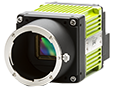
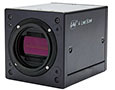
The Sweep Series includes trilinear, bilinear, and monochrome line scan cameras designed with large pixel sizes, a rich set of features, and compact form factors suitable for a wide range of applications. Engineered for high-performance inspection, the series delivers excellent sensitivity, image quality, and reliable operation in demanding environments.
With multiple resolutions and high-speed interface options available, Sweep Series cameras provide flexibility for system integration while achieving some of the highest line rates in their respective classes. Advanced features such as precise color alignment, high data throughput, and optional sensitivity enhancements make the series well suited for applications requiring accurate detail capture and consistent results over time.

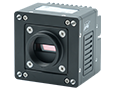
Our new Wave Series line scan camera models extend these capabilities into the short-wave infrared (SWIR) spectrum, enabling inspection beyond the limits of visible light. SWIR imaging allows detection of material differences, moisture content, and subsurface features that are not visible with standard cameras, making it ideal for more advanced inspection tasks.

VIS

Sweep Series

trilinear, bilinear and monochrome line scan cameras with fast scan rates and high image quality.
Explore the series
SWIR

Wave Series

SWIR line scan cameras featuring advanced InGaAs sensors for reliable material differentiation and inspection beyond the visible spectrum.

Explore the series

Need help – let us help you to find the perfect single sensor line scan camera

Our camera experts are here to assist you so you can take full advantage by pairing the right JAI camera with the right lens.

Contact a JAI engineer